
NaijaMusic Feed
Gowon’s chilling yarn of how Nigeria slid into defense power rule


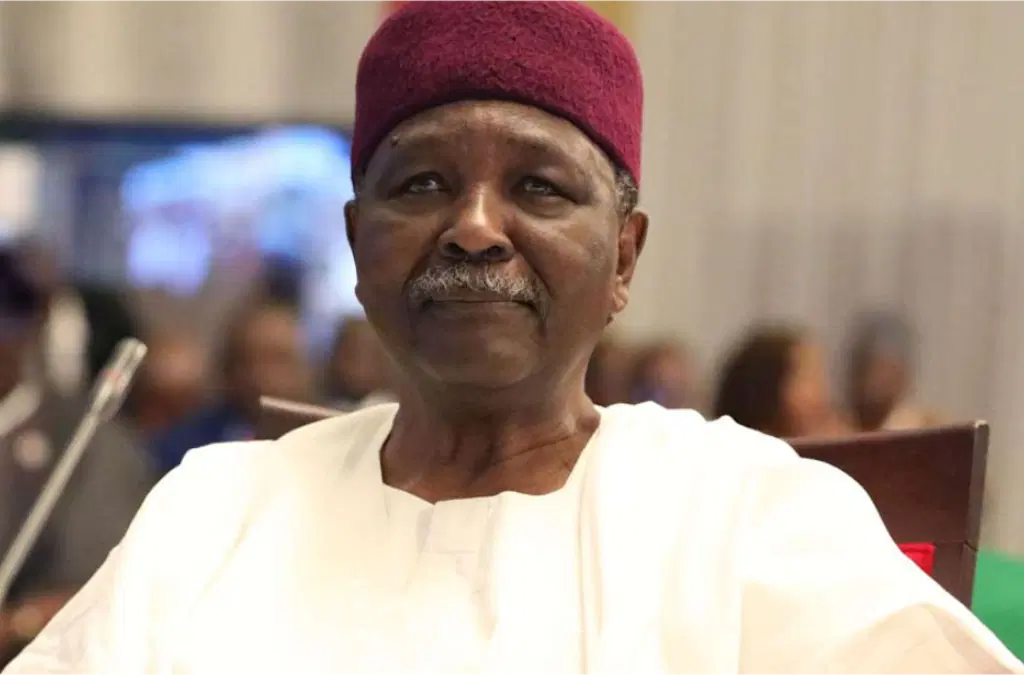
…recollects the worry, bloodshed, betrayals that destroyed the First Republic
By Shining Jannamike
The Atlantic waters had been accrued, nonetheless the conversations aboard the Elder Dempster liner MV Apapa had been the relaxation nonetheless. As the ship sailed from Liverpool towards West Africa in January 1966, a young Nigerian defense power officer, Yakubu Gowon, found himself surrounded by anxious passengers discussing one topic with growing unease: coups.
Files of governments falling at some stage in Africa drifted into the vessel by intention of radio experiences and dockside whispers. One nation after one other looked to be collapsing under defense power intervention. Fellow passengers cornered Gowon with the an analogous unsettling interrogate: would possibly Nigeria be next? At the time, Gowon accrued believed the answer became once no.
In a deeply personal yarn contained in his autobiography, ‘My Lifetime of Accountability & Allegiance’, the ragged Nigerian Head of Convey mirrored on how the wave of coups sweeping at some stage in Africa in the 1960s slowly destroyed his self perception that Nigeria became once immune from defense power rule.
His recollections present a uncommon insider yarn of the disturbing days main to Nigeria’s first defense power coup on January 15, 1966, the bloody counter-coup six months later, and the chain of events that at final pushed the nation towards civil conflict.
“No extra proof became once required to infer that Africa, too, had caught the bug of serial coup d’états that had change into trendy around the field about that point, particularly in Latin and Central The us and the Middle East,” Gowon wrote.
‘Africa Had Caught the Malicious program’
Per Gowon, loads of African nations had already skilled violent changes of executive between Nigeria’s independence in 1960 and January 1966, creating growing grief amongst politically conscious Africans and international observers alike.
He recalled that Congo, Burundi and the Central African Republic witnessed coups in 1965 and 1966, whereas Dahomey, now Benin Republic, skilled repeated defense power interventions in 1963 and 1965. Algeria and Togo also suffered political upheavals at some stage in the an analogous duration.
Gowon traced the sample extra again to the overthrow of Egyptian monarch King Farouk by the Free Officers Circulation in 1952, which later produced the leadership of Gamal Abdel Nasser.
“In his first coup in 1960, Col. Mobutu Sese Seko, impressed by some external forces, led the Military to alternate the leadership of the Democratic Republic of Congo with the removal of the High Minister, Patrice Lumumba from space of work,” he acknowledged.
The dispositions haunted Gowon at some stage in the ocean dart home, particularly as original experiences of defense power takeovers continued to emerge whereas the ship crossed West African waters.
“Between the duration we situation skim from Liverpool and our stopover in Tema/Accra, Ghana, on January 12 and 13, there had been loads of information experiences on the prevalence of coups in Africa,” he recalled.
Per him, conversations aboard the vessel step by step shifted from casual discussions to intense debates about failed leadership, instability and the perilous future of democracy at some stage in Africa.
“My co-passengers had been Nigerians, Ghanaians, Sierra Leoneans, Gambians, English, Scots and Poles amongst many completely different nationalities,” he wrote.
‘A Coup Used to be No longer doable in Nigeria’
No topic the turmoil spreading at some stage in the continent, Gowon insisted that he before all the pieces believed Nigeria’s defense power would never overthrow a civilian executive.
“My self perception became once in maintaining with the quality of our practising, which became once firmly anchored on self-discipline and absolute loyalty to the nation and its political leadership.
“Apart from, I felt that our constructed-in esprit de corps would contain discussions on the topic topic of coup d’état both unheard of and solely unacceptable,” he acknowledged.
Smooth ecstatic that the Nigerian Military remained professional and apolitical, Gowon acknowledged he pushed apart solutions of a that it is probably you’ll possibly possibly have confidence coup and warranted fellow passengers that the navy would stay right to the civilian executive.
“I believed then, as I accrued strongly create now, that the defense power must never under any guise play an ingredient in any conception to upstage democracy in a single’s nation or wherever else on the planet,” he wrote.
The autobiography also captured how passengers time and once more questioned him about Nigeria’s worsening political climate.
Among these that engaged him in the discussions became once businessman and pharmacist Chief Olu Akinkugbe, whose younger brother, Ladipo, Gowon had earlier met in London at some stage in his Sandhurst days.
“When my fellow passengers on the ship found my plan as a defense power officer, they promptly began to interrogate me a huge desire of questions.
“For a second, I became once unsettled as loads of passengers requested me if I believed a coup d’état would possibly happen in Nigeria,” he recalled.
Gowon acknowledged he time and once more assured them that the defense power’s constitutional accountability became once to strongly defend the solidarity and sovereignty of Nigeria towards both internal and external enemies.”l
Operation Wetie and the Crumple of the First Republic
However as extra experiences of coups filtered in and Nigeria’s political ambiance worsened, Gowon admitted that his certain bet step by step began to crack.
He disclosed that he had left Nigeria in December 1965 largely ignorant of how badly the placement at home had deteriorated, particularly in the aged Western Establish.
The disaster in the Western Establish had change into one in every of the most volatile political confrontations of the First Republic. Rival factions brazenly battled for control of the place apart. Electoral violence, arson, assassinations and mob attacks change into increasingly extra frequent. Homes had been situation ablaze. Political opponents had been hunted down. Worry spread at some stage in predominant cities.
The phrase ‘Operation Wetie’ emerged from the practice of pouring petrol on perceived enemies before atmosphere them on fireplace.
“I became once pretty oblivious to the deteriorating disaster brewing on the time, particularly referring to Operation Wetie in the Western Establish,” Gowon wrote.
The ragged defense power ruler acknowledged the ambiance change into a lot extra troubling after info broke aboard the ship that Dahomey had suffered yet one other coup on January 3, 1966.
“By the point we arrived in Accra, I had reviewed my stance. When, once more, my co-passengers requested if a coup became once no longer doable in Nigeria, the true fact of the placement had made me accommodate any eventuality in spite of how distant,” he acknowledged.
Lastly, Gowon acknowledged he spoke back philosophically to the repeated questions from shy passengers.
“Nothing will not be any longer doable in this world,” he recalled telling them. Smooth, he hoped any disloyal officers throughout the Nigerian defense power would be swiftly overwhelmed.
“I hoped the few right ones amongst the officers would swiftly type out the silly coup and return the polity to plan quo ante,” he wrote.
January 15, 1966: The Night the Guns Spoke
Correct days later, that grief change into actuality. Within the early hours of January 15, 1966, a crew of young defense power officers led by Main Chukwuma Kaduna Nzeogwu struck in what change into Nigeria’s first defense power coup.
By crack of dawn, Nigeria’s First Republic had collapsed under the burden of gunfire, confusion and political distrust. High Minister Sir Abubakar Tafawa Balewa became once abducted and later killed. Northern Premier Sir Ahmadu Bello became once assassinated in Kaduna alongside his indispensable other, Hafsatu. Finance Minister Chief Festus Okotie-Eboh became once murdered in Benin. Western Establish Premier Chief Samuel Ladoke Akintola became once also killed in Ibadan.
Gunfire rang out at some stage in predominant cities. Soldiers stormed legit residences at nighttime. Senior officers had been hunted down. Armoured autos rolled by intention of disturbing streets as shy residents woke to radio announcements that the chief had fallen.
Within hours, Nigeria had changed forever. The young officers in the again of the coup claimed they had been performing to rescue the nation from corruption, election rigging and political violence. However the operation swiftly change into controversial because many main Northern and Western political figures had been killed whereas key Eastern leaders survived.
Then got here the worry, the suspicion and the perilous ethnic narratives that would possibly possibly poison the nation for years. The coup at final collapsed after senior defense power officers right to the chief regained control. However the civilian administration had already been shattered beyond restore.
In a topic of hours, the nation’s fragile political balance had been shattered, leaving in the again of grief, suspicion and deepening ethnic distrust.
Ironsi, Suspicion and a Fractured Nation
Main-Normal Johnson Aguiyi-Ironsi emerged as Nigeria’s first defense power Head of Convey after taking vitality and suspending facets of the structure. His executive promised national solidarity and balance, nonetheless bitterness spread without observe at some stage in the nation.
Many Northern officers viewed the January coup as ethnically motivated. Suspicion deepened extra after Ironsi introduced the controversial Unification Decree No. 34, which sought to change Nigeria’s federal structure with a unitary machine.
Previous to lengthy, the ambiance change into dangerously disturbing. Barracks conversations grew bitter. Distrust hardened. Rumours travelled sooner than facts. The nation became once no longer ideal politically divided. Distrust had begun to seep into both the defense power and civilian life.
July 1966: Revenge, Bloodshed and Counter-Coup
On July 29, 1966, Northern officers launched a bloody counter-coup that plunged the nation into even deeper chaos.
Soldiers mutinied in loads of barracks. Revenge killings spread by intention of defense power formations. Officers suspected of supporting the January coup change into targets.
Ironsi became once captured in Ibadan alongside the Armed forces Governor of the Western Establish, Lt.-Col. Adekunle Fajuyi. Every males had been later killed.
The counter-coup unleashed one other wave of fear throughout the defense power. Ethnic distrust erupted brazenly internal the navy. For days, confusion gripped the nation as defense power commanders struggled to forestall total collapse. Nigeria became once now trapped in a perilous cycle of reprisals, counter-reprisals and growing instability throughout the navy.
The ‘Reluctant’ Emergence of Gowon
It became once towards that chaotic backdrop that Gowon, then a rather young officer, without observe emerged as Head of Convey at correct 31 years aged.
Gowon’s emergence became once itself controversial. Some senior officers questioned his elevation because he became once neither the most senior officer nor amongst the distinctive coup plotters. Yet many Northern officers saw him as a compromise figure in a position to maintaining the restful nation together.
Within the autobiography, Gowon mirrored with lingering unease on how swiftly defense power intervention change into normalised at some stage in put up-colonial Africa.
He wrote, “What became once no longer too obvious to me became once whether the actions had been in maintaining with supreme patriotic considerations to apt the ills of heinous governance or had been impressed by international political and financial pursuits.
“Ancient previous is yet to fully return its verdict on how a lot obvious alternate, if any, had been induced by many of Africa’s so-known as corrective regimes over the years.”
He also immediate that ideological indoctrination in a international nation, publicity at some stage in international defense power assignments and personal ambition amongst officers contributed severely to the upward thrust of coups at some stage in the continent.
“With hindsight, however, one would possibly pronounce that coups change into trendy in the continent in the 1950s and 1960s for loads of causes.
“It is laborious to discountenance the indisputable truth that many of the masterminds had been ideologically indoctrinated in a international nation whereas they had been on courses at one international defense power institution or the completely different,” Gowon acknowledged.
From Coups
to Civil War
The political consequences of the twin coups of 1966 would at final alter Nigeria forever. The killings and reprisals that followed deepened ethnic distrust at some stage in the nation, particularly between the North and the East.
Anti-Igbo riots later broke out in facets of Northern Nigeria, forcing hundreds to flee. Political negotiations time and once more collapsed as suspicion and bitterness widened.
By 1967, the disaster had escalated into paunchy civil conflict after the Eastern Establish, under Lt.-Col. Chukwuemeka Odumegwu Ojukwu, declared the secession of the Republic of Biafra. The conflict lasted almost three years and claimed extra than a million lives by intention of combating, starvation and disease.
When Ballots Gave Approach to Bullets
For Gowon, the reminiscences of 1966 stay tied no longer ideal to Nigeria’s descent into defense power rule, nonetheless also to a a lot wider African tragedy in which squaddies increasingly extra replaced ballots with bullets.
What began as anxious conversations aboard a passenger ship crossing the Atlantic would soon change into one in every of the defining realities of put up-colonial Africa.
Across a lot of put up-colonial Africa, squaddies who had been professional to defend the tell increasingly extra change into decisive actors in political vitality struggles.
And once defense power intervention took root in politics, many African nations spent a long time struggling to rebuild democratic balance and civilian authority.
The put up Gowon’s chilling yarn of how Nigeria slid into defense power rule seemed first on Vanguard Files.


BREAKING: Senator Rufai Hanga Resigns From NDC

Davido – Oriadé Album Review | Tracklist, Features & Highlights

Popular Nigerian Singer St Janet Reportedly Dies



-

 NaijaMusic Feed2 months ago
Crime has no ethnicity, let us not assign blame or point fingers — Tinubu
-
 NaijaMusic Feed2 months ago
Security agencies can track bandits if they want to – Buratai
-
NaijaMusic Feed2 months ago
Yinka Alaseyori under fire for saying prayer needed over Oyo abduction
-

 NaijaMusic Feed1 year ago
Tinubu government a failure; opposition can’t afford to split votes in 2027—Rhodes-Vivour.
-
NaijaMusic Feed2 months ago
Afenifere urges probe into Fayose kidnapping allegation
-
NaijaMusic Feed2 months ago
Oyo APC condemns kidnapping of Adelabu’s sister, twin sons
-

 NaijaMusic Feed1 year ago
BREAKING: Ex-AGF, Malami dumps APC, joins ADC
-

 Lyrics1 year ago
gang by ayo maff ft seyi vibez lyrics


